Getting the Basics on Data Warehouses
Hey, imagine you're running a company with tons of info pouring in from various departments. That's where a data warehouse comes in—it's basically a centralized hub designed to pull together details from all sorts of business tools, making it easier to dig into queries and spot patterns. As your operations grow and more systems get added, you end up needing this setup to keep everything organized. Before anything hits the warehouse, though, the info goes through a thorough cleanup, reshaping, and refinement process to ensure it's ready for action. The main goal here is tackling specific, predefined questions that drive your decisions.
Now, picture this: what happens when a fresh idea pops up that isn't on your radar yet? That's untapped potential right there. With a traditional warehouse, you have to spot the question first, then craft a custom model to address it. This turns the whole discovery and resolution cycle into a drawn-out affair. Plus, since the warehouse holds polished, summarized data, diving back into the nitty-gritty details for a new angle means reprocessing everything from scratch—which racks up huge expenses. If these curveball queries keep coming, your system could grind to a halt under the load.
Enter the Data Lake: A Fresh Approach
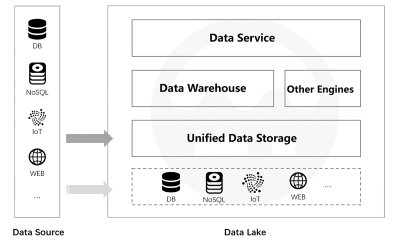
That's the scene that sparked the rise of data lakes. Think of it as a smart system or approach for housing and exploring enormous volumes of untouched information. The beauty is in dumping as much original data as you can straight into this reservoir, preserving every detail without alterations, so you can theoretically uncover hidden insights from the complete picture. At its heart, a data lake serves two key purposes. First, it's all about secure storage to hold onto every bit of raw input. Second, it powers the analysis side, which boils down to crunching numbers and pulling out meaningful value.
Let's break down how data lakes shine in these areas.
A data lake welcomes all kinds of info in its natural form—whether it's neatly organized structured stuff, somewhat flexible semi-structured formats, or totally free-form unstructured content. This ability to manage huge, varied collections sets it apart from warehouses, which typically rely on databases for just the structured variety. Jumping on data ingestion right away also lets you connect dots across different topics, boosting security and keeping everything intact for maximum value extraction.
On the bright side, today's leaps in storage tech have made it possible to handle these massive raw data demands without breaking a sweat, thanks to the great advance of storage and...