What's Happening in the World of Software Creation
Hey, you've probably come across all sorts of chatter about how artificial intelligence might one day take over the jobs of folks building software. It's a hot topic, right?
I'm not here to make bold claims about the future since it's all a bit foggy for everyone involved. That said, there are some trends popping up in the tech scene that are worth noting:
- Tiny groups of developers are cranking out impressive results at breakneck speeds
- Teams are valuing folks who take initiative and drive projects forward more than just raw talent or brainpower
- Businesses are accelerating their operations like never before
- Programs are essentially assembling their own codebases
Take a look at these real-world cases:
- Claude's own codebase is getting constructed with help from Claude itself
- Traycer's development relies on TraycerAI to shape its features
Across the board in tech companies, the real question isn't whether to bring AI into the mix—it's all about figuring out the smartest ways to incorporate it.
Plenty of developers aren't sure if they're just casually experimenting with AI or truly leveraging it for assisted programming. Trust me, there's a world of difference between those casual vibes and structured AI support.
The Typical Approach to Casual AI Experimentation in Code
When people dive into what I'll call "casual AI coding," the process usually unfolds something like this:
- You're working in an intelligent editor setup (think Cursor or Windsurf) or command-line helpers (such as Claude Code or Gemini CLI)
- You type out a quick instruction in the interaction panel
- The system processes your request, outlines a plan, and begins churning out the actual code
This setup shines for quick fixes or when you're kicking off a brand-new project, and here's why it clicks in those scenarios:
- A clean slate with no prior baggage lets the AI perform smoothly for a while
- As more code piles up, the AI might start veering off from what you originally wanted
- Basic tasks are a breeze for advanced models like Claude or Grok
Where the Cracks Start to Show
Things get tricky, though, once you scale up to massive projects, intricate functionalities, or complete applications from start to finish. AI systems often hit roadblocks in these cases because:
- They lose sight of the core goals you set out with
- Performance dips as the available memory for context gets overloaded
- They spit out made-up details with total conviction, skipping any checks for accuracy
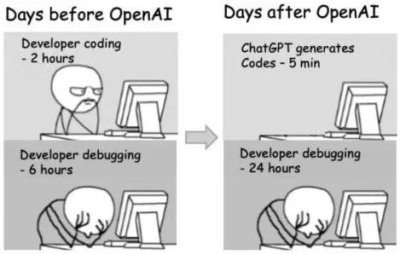
➡️ The end result? You might end up with heaps of code that looks promising but falls flat when tested. Sorting through and fixing that mess turns into a marathon of tweaks and do-overs, eating up way more time than expected.
And that's where the real challenge lies—finding a path that avoids these pitfalls while still harnessing AI's power effectively.