Hey, imagine kicking off an open-source AI helper that suddenly blows up online—what if that lands you a spot at a major tech firm, complete with a splashy promo push? That's pretty much what went down with OpenClaw's founder, Peter Steinberger, and it ties right into some wild experiences I had. Let me break it down for you step by step, like we're chatting over coffee.
The Buzz in San Francisco and a Chance Encounter
Picture this: Peter Steinberger rolls into San Francisco, and there's this massive bash at Frontier Tower. We're talking endless lobster rolls and fresh crabs for the crowd—it was epic. I didn't get a word in with him that night, but fast forward to the next day at the OpenAI Codex Hackathon. There he was, chilling with a group of participants. What caught me off guard was how quickly things escalated. In just moments, he handed out full maintenance privileges to total strangers (yep, including yours truly), with one simple directive: slash the pull request backlog. No intro session, no tips, no test environment—just dive in and merge straight to the main branch. When questions popped up, he brushed them off, clearly too swamped or uninterested. It didn't take long for the vibe to turn tense; folks were ducking behind their laptops, worried about getting sidelined. It screamed red flags for a unhealthy team dynamic right from the start.
Leadership Styles in the Spotlight: The Self-Proclaimed Ruler
Now, get this—flipping through the project's contribution rules, there's zero real advice on jumping in as a helper. Instead, it boldly labels the project lead as the "benevolent dictator." Peter tagged himself with that on January 2nd, which feels like a quirky way to ring in the new year. This whole "benevolent dictator for life" (or BDFL) setup is a classic in tech circles, especially when one person's star power drives the hype. The smart move? Shift control to a diverse group early on to keep things balanced and avoid pitfalls. It's a tough pivot, but skipping it can lead to serious issues. As the saying goes, "The best-case outcome is a BDFL who recognizes when to transition to a broader governance model before the drawbacks cause real damage." This approach only clicks for tiny projects or when the leader has the chops to truly oversee everything without dropping the ball—sadly, that wasn't the scene here.
Stepping Back and Crossing Paths with Industry Heavyweights
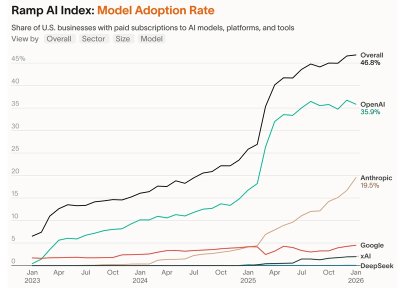
I decided to bail from that spot and mingle elsewhere at the event. That's when I bumped into Sam Altman—probably no accident, looking back. Turns out, the whole hackathon was basically the launchpad for OpenAI's massive promo blitz. They dropped Codex 5.3 that very day, pushing hard for folks to adopt it. With rivals like Anthropic owning code creation and Google leading in visuals, OpenAI's scrambling to hold their ground. They threw their weight behind OpenClaw as a key play, and Peter was all in, hyping Codex while downplaying alternatives like MCP. Then, on February 15th, it went public: Peter signed on as an OpenAI team member.
It's fascinating how these open-source adventures can spiral into bigger corporate stories, right? If you're into AI or tech communities, keep an eye on how leadership evolves—it can make or break the whole thing. For more on OpenAI's tools, check out their official Codex page.